2 minutes
Samsung Pay: reaching an under-served digital wallet audience in Europe
Give Android users a faster, streamlined way to pay with a wallet already built into their devices.
Key points
- Digital wallets now account for more than half of global e-commerce transaction value and one-third of in-person transaction value.1
- Payment apps are forecast to reach 46% of global POS value by 2030, as app-based payments become more common in stores.1
- Samsung Pay gives merchants access to a large wallet-enabled audience already carrying Samsung devices across Europe.
- When a preferred wallet is unavailable, customers face extra steps – and conversion can suffer.
Samsung Pay® deserves closer attention.
Across Europe, a large installed base of Android devices means many consumers already have Samsung Pay available on their phones. At the same time, digital wallets are becoming a preferred way to pay across e-commerce and in-store journeys. For merchants, that combination points to an opportunity to meet these consumers where they are.
Samsung Pay is already in customers’ hands
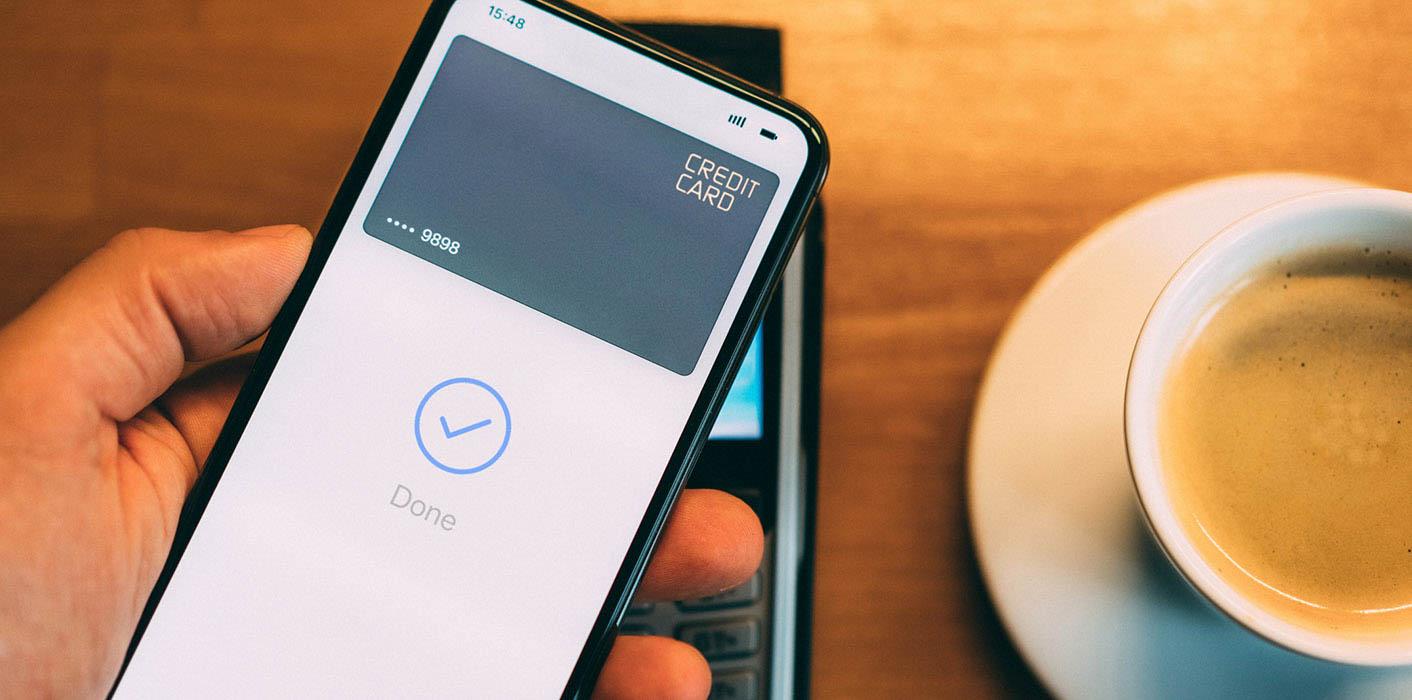
Samsung Pay is a digital wallet embedded into Android mobile phones, giving consumers a quick, secure and familiar way to pay without needing extra setup. Its importance lies not just in what it does, but in the scale of the audience it serves.
More than 6 in every 10 consumers has an Android in Europe, with over half of these customers having a Samsung2. This combination of Android’s reach and Samsung’s leadership position translates into a vast installed base of consumers who already have Samsung Pay available on their devices. For these customers, Samsung Pay is not an alternative option – it is the go-to payment method.
The growing importance of digital wallets in Europe
The Global Payments Report 2026 shows that digital wallets account for over half of online transaction value and one‑third of in‑person transaction value globally1.
In 2025, digital wallets were the most popular online payment method in Europe, accounting for 38% of e‑commerce transaction value. This is forecast to grow to 45% by 20301.
For merchants, the takeaway is not simply that wallets are growing. It is that customer expectations are changing with them.
Where the merchant opportunity sits
When Samsung Pay is not available, customers may be pushed towards slower alternatives: entering card details manually, switching to another payment method or using a different app.
That may seem like a small detour, but at checkout small detours matter. Payments work best when they work without friction – when customers can pay and move on. Customers increasingly expect payments to “just work” with minimal effort.
"For Android users, Samsung Pay can be the shortest route from intent to purchase."
Digital wallets help meet that expectation by reducing steps, improving convenience and supporting a more secure experience through tokenization and biometric authentication.
For Android users, Samsung Pay can be the shortest route from intent to purchase.
Why Samsung Pay is worth a closer look
In a crowded payments landscape, merchants don’t need to support every payment method. But they do need to cover the options their customers are most likely to reach for.
That is why Samsung Pay matters. Built directly into Samsung devices and already supported through Worldpay, now Global Payments, Samsung Pay can be activated without additional integration work.
As wallets continue to grow across Europe, overlooking Samsung Pay may mean overlooking customers who are ready to pay.
Download the GPR 2026 for an in-depth look at how consumers pay across the world.
Sources
1 GPR 2026 Global Payments Report
2 GfK (2025) based on data reported by NIQ through its Point of Sales service for the 12 month period ending 31 December 2025, for 20 European markets, according to the NIQ standard product hierarchy. © 2025, Nielsen Consumer, LLC
Related insights